
European Folktales...
European folktales often feel shaped by a particular mix of landscape and history: dense forests, tight villages, feudal hierarchies, Christian imagery layered over older pagan motifs, and a long tradition of oral tales later fixed in print by collectors. They lean hard on moral tests, social bargaining, and the idea that status can flip, a peasant outwits a lord, a youngest child wins, a fool proves wise. The magic can be blunt and rule-bound, with clear prices and consequences. That said, differences are tendencies, not laws; cultures borrow constantly, and every tradition contains multitudes.

Tales From Wales
Welsh folktales and legends feel rooted in a landscape that talks, fantastic hills, lakes with memories, and ruins that carry a quiet dignity. They sit on a seam between the everyday and the otherworld, where the Tylwyth Teg drift near farmsteads, where bargains matter, and where a wrong step can echo for years. There’s a strong thread of poetry and song, plus a love of wit, pride, and stubborn courage in ordinary people. And running beneath it all is the old Welsh mythic cycle, especially the Mabinogion, giving even small tales a deep, native pulse.


Tales From Scotland
Scottish folktales and legends feel rooted in a particular kind of place, where sea, hill, and weather are never just backdrop, they are part of the plot. The stories carry the soul of the Highlands and Islands, the closeness of glens, the pull of the shore, and a sense that the Otherworld is nearby, not far away. You get selkies, kelpies, daoine sìth, and second sight, but also crofters, fishermen, lairds, and kirk folk, all rubbing along together. There’s a dry humour, a stubborn grit, and a moral plainness, with tenderness underneath, too.

Tales From Ireland
Irish folktales, fairytales, and legends feel different because they sit so comfortably on the thin line between the ordinary and the otherworldly. The fairy world is not a distant kingdom, it is the field beyond the hedge, the ring in the grass, the ruined fort on the hill. There is a particular blend of humour and heartbreak, of love and menace, where a charming stranger might be a saint, a poet, or something not human at all. These stories are steeped in landscape, music, and lament, and shaped by oral tradition, so the voice, the rhythm, and the turn of phrase matter as much as the plot.

Tales From England
English folktales, fairytales, and legends often feel closer to the lane and the hedgerow than to the palace. They are grounded in familiar places, greenwoods, chalk downs, marshes, and market towns, and they favour dry humour, understatement, and a wary respect for “the old ways”. Magic tends to be local and half-seen, a fairy path, a churchyard warning, a clever bargain at a crossroads, rather than world-shaking sorcery. There’s also a strong strain of class tension and social satire, where wit, luck, and stubbornness let the small person wrong-foot the powerful, when it matters.

Tales From Western Europe
Western European tales from France, the Low Countries, and Switzerland often feel less like sacred myth and more like social theatre. They love salons and farmyards, city streets and mountain inns, where manners matter, bargains bite, and clever talk can save your skin. Moral lessons arrive wrapped in wit and a slightly sceptical eye, even when fairies appear. You also meet a strong strain of folk Catholicism, courtly romance, and later literary polish, from Perrault to the Grimm-trained collectors nearby. Compared with many traditions, these stories lean hard into etiquette, class, satire, and the everyday business of living too.

Tales From Northern Europe
Southern European tales often feel warmer, richer, and more theatrical than those of the north. Sunlit coasts, rugged mountains, vineyards, olive groves, and crowded village squares shape stories filled with appetite, rivalry, family honour, and sudden reversals of fortune. Magic mingles easily with everyday life: saints, witches, spirits, clever animals, and ancient gods may all seem close at hand. Heroes succeed through charm, cunning, generosity, or the gift of telling a convincing story. Christian devotion rests upon much older Greek, Roman, and Mediterranean traditions, creating a vivid blend of the sacred and the superstitious. Humour is lively, emotions run high, and even danger arrives with colour. Here, magic rarely hides—it steps into the sunlight and demands a place at the table.
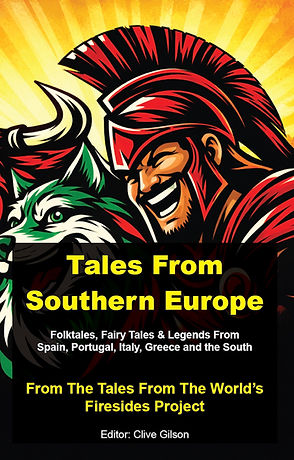
Tales From Southern Europe
Southern European tales often feel warmer, richer, and more theatrical than those of the north. Sunlit coasts, rugged mountains, vineyards, olive groves, and crowded village squares shape stories filled with appetite, rivalry, family honour, and sudden reversals of fortune. Magic mingles easily with everyday life: saints, witches, spirits, clever animals, and ancient gods may all seem close at hand. Heroes succeed through charm, cunning, generosity, or the gift of telling a convincing story. Christian devotion rests upon much older Greek, Roman, and Mediterranean traditions, creating a vivid blend of the sacred and the superstitious. Humour is lively, emotions run high, and even danger arrives with colour. Here, magic rarely hides, for it steps into the sunlight and demands a place at the table.

Tales From Eastern Europe
Eastern European tales unfold in a world of shadowed forests, remote villages, vast plains, and winters that seem to possess a will of their own. The supernatural is rarely far away: witches wait in strange cottages, spirits inhabit rivers and fields, and the dead may still interfere with the living. Heroes are often underestimated figures who survive through courage, cunning, kindness, or sheer persistence. Pagan beliefs remain tangled with Christian symbols, creating stories where saints, demons, household spirits, and ancient powers share the same uneasy landscape. The humour is dark, the transformations startling, and the punishments severe. Magic here is unpredictable, capable of rewarding a simple kindness or turning one careless mistake into a lifelong curse.